
CT Scan vs X-Ray: Which One Do You Really Need?
- Category: Radiology
- Date: 05-09-2017
Introduction: When Imaging Matters Most
Medical imaging has revolutionized how doctors diagnose and treat diseases. But with multiple tools available — such as CT scans and X-rays — many patients wonder: which one is right for me? Understanding the differences helps you make informed decisions and ease any anxiety before your scan.
What is an X-Ray?
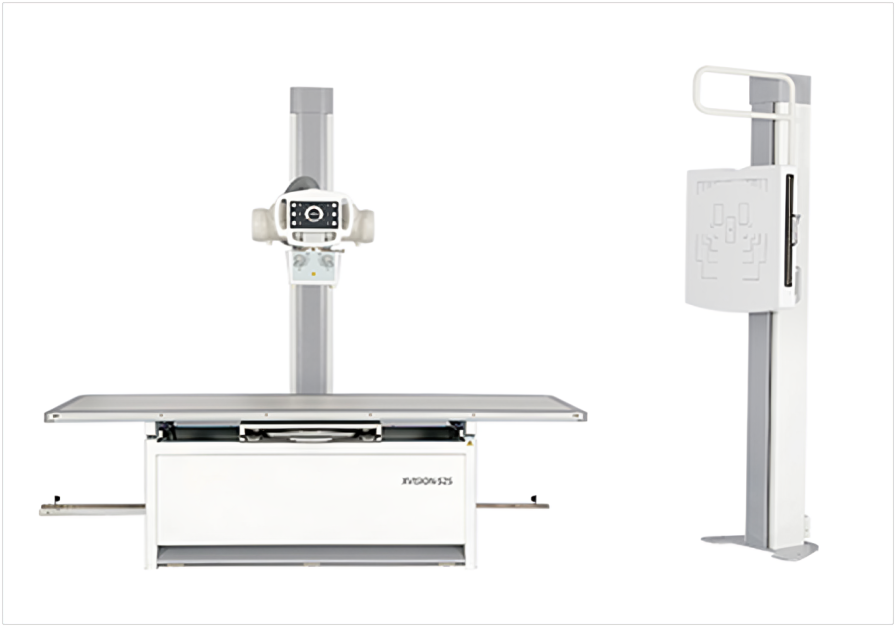
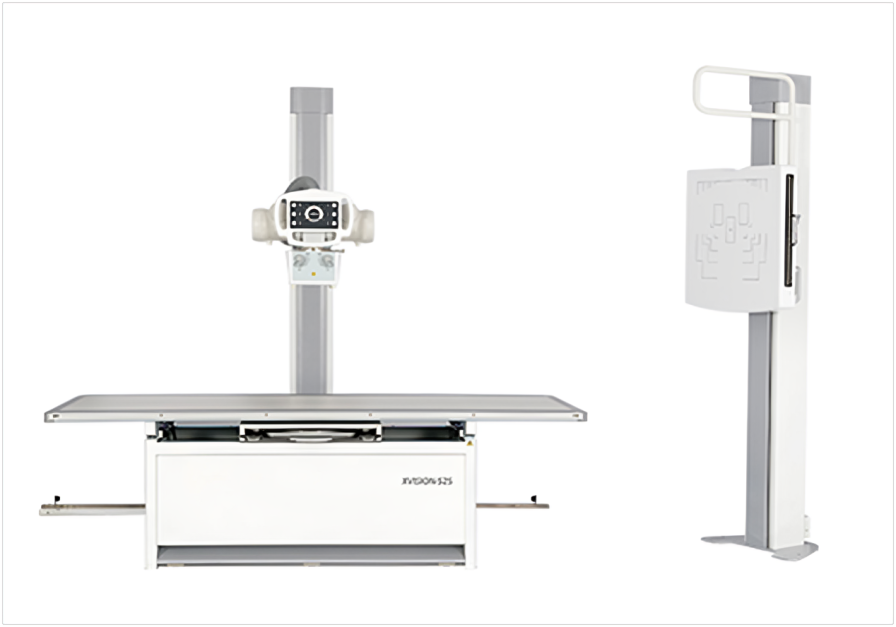
X-rays are one of the oldest and most common imaging tools. They use a small dose of ionizing radiation to produce a flat, two-dimensional image. X-rays are fast, inexpensive, and particularly good at visualizing bones and detecting certain lung or chest abnormalities.
What is a CT Scan?
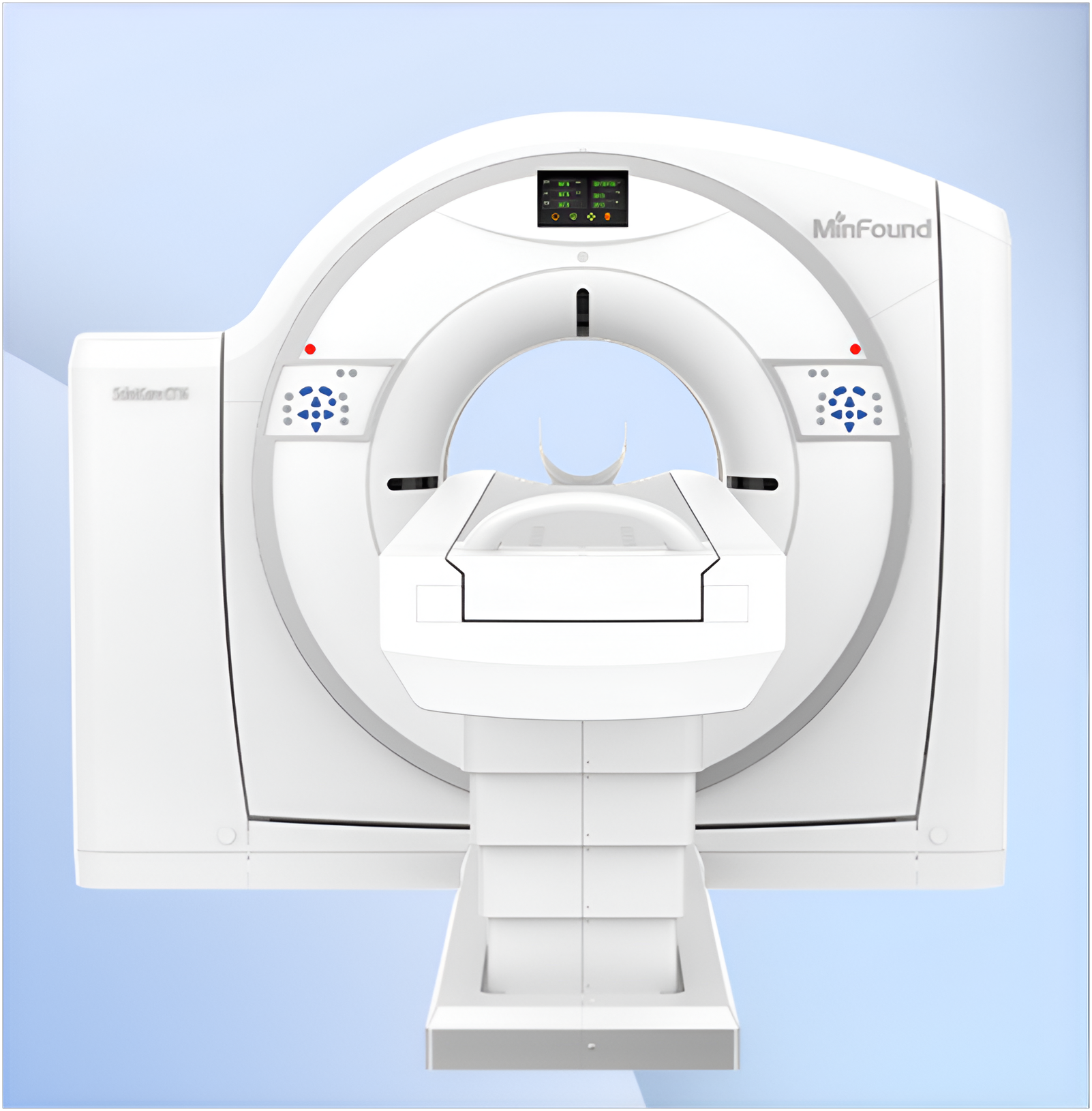
A CT (Computed Tomography) scan also uses X-rays but takes multiple images from different angles, which are processed by a computer to create cross-sectional (sliced) and 3D images of your body. It provides much more detail than a regular X-ray, especially for soft tissue and internal organs.
Technical Comparison
- **Imaging Type**: X-ray = 2D; CT = 3D
- **Detail Level**: X-ray is good for bones; CT is better for soft tissues and organs
- **Scan Duration**: X-ray = seconds; CT = minutes
- **Radiation Dose**: CT uses more radiation than X-ray
Common Uses of X-Rays
Doctors typically order X-rays for:
- Suspected bone fractures
- Chest pain (to check for pneumonia or collapsed lung)
- Dental imaging
- Detecting foreign objects
Common Uses of CT Scans
CT scans are used for more complex or urgent conditions, including:
- Head injuries or brain bleeds
- Internal injuries from trauma
- Tumor detection
- Abdominal pain (e.g., appendicitis, kidney stones)
- Lung cancer screening
Radiation Exposure: What You Should Know
Radiation dose is a valid concern. On average:
- A chest X-ray = 0.1 mSv
- A chest CT = 7 mSv
CT scans use more radiation, but they provide significantly more detail, often making the trade-off worthwhile — especially in emergencies.
Cost and Availability
X-rays are less expensive and widely available. CT scans cost more due to their complexity, but they’re essential for diagnosing serious or subtle issues.
Which One is Right for You?
Your doctor decides based on your symptoms and what information they need. If you have a simple fracture or cough, an X-ray might suffice. If you’ve had a serious accident or need detailed views of the brain, lungs, or abdomen, a CT scan offers the clarity needed.
Conclusion: Different Tools for Different Jobs
Both X-rays and CT scans are essential tools in modern healthcare. One is not 'better' than the other — they simply serve different purposes. When in doubt, trust your physician’s recommendation and ask questions to understand why a specific scan was chosen for your situation.